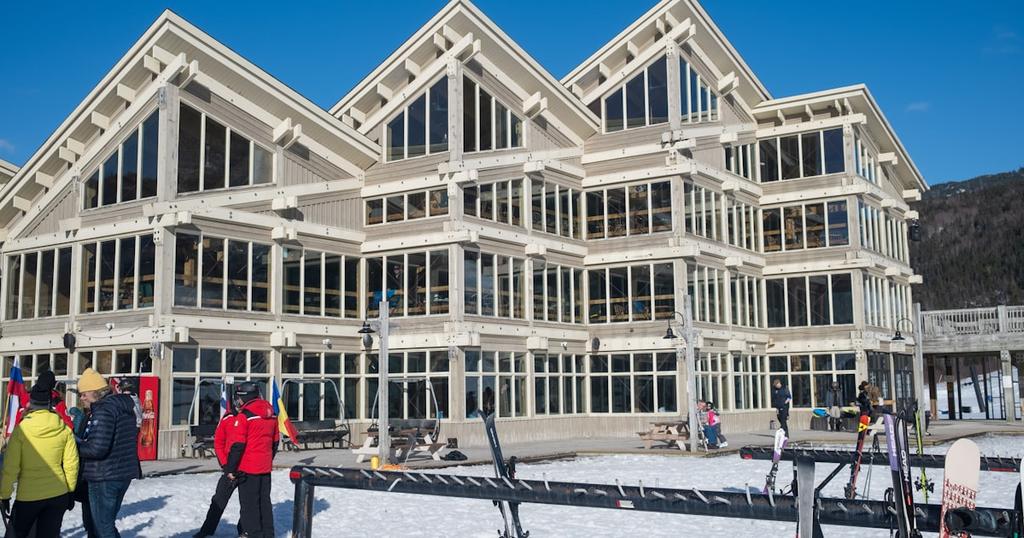
Ski condos and mountain chalets sit in a financing gray zone. The properties generate real income, sometimes $8,000 to $15,000 per month during peak ski season, but irregular cash flow and short-term rental structures make conventional mortgage underwriting difficult. DSCR loans address this directly by qualifying the property on its income rather than the borrower's W-2s or tax returns.
How DSCR Loans Work
DSCR stands for Debt Service Coverage Ratio. It measures whether a property's net operating income (NOI) covers its total monthly debt obligation.
Formula: DSCR = Net Operating Income / Total Debt Service
If a ski condo generates $6,000 per month in net rental income and carries a $4,500 monthly mortgage payment (principal, interest, taxes, insurance, and HOA fees), the DSCR is 1.33. A ratio above 1.0 means the property produces more income than its debt costs. Most DSCR lenders set a minimum of 1.0 to 1.25 to approve a loan.
Unlike conventional loans, DSCR lenders do not require:
- Personal income verification (no W-2s, pay stubs, or tax returns)
- Debt-to-income (DTI) ratio calculations based on personal finances
- Employment history documentation
This makes DSCR loans well-suited for self-employed investors, those with complex tax returns showing significant write-offs, and investors scaling a portfolio beyond conventional loan limits.
Why Mountain Properties Frequently Require DSCR Financing
Conventional lenders apply Fannie Mae and Freddie Mac guidelines that treat short-term rentals (STRs) as speculative income. A property rented through Airbnb or VRBO typically cannot use that STR income to qualify under agency guidelines unless the borrower has a two-year documented history on their tax returns.