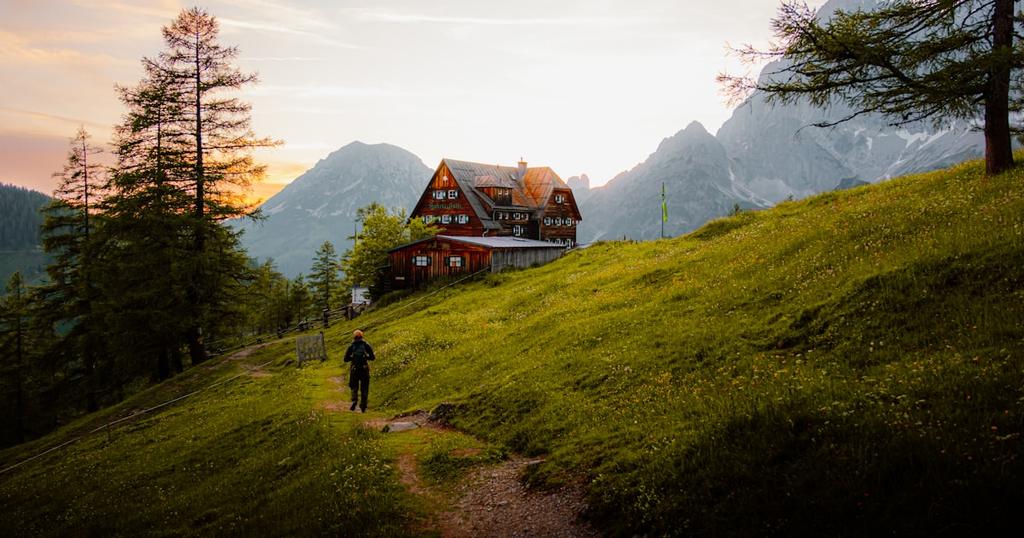
Buying a mountain property—whether for a vacation retreat, rental income, or future retirement—is a dream for many. But with rising property prices and limited financing options, saving for a large down payment can feel like an uphill climb. One strategic option is to use the equity in your current home through a Home Equity Line of Credit (HELOC) to fund that down payment.
In this guide, we’ll walk you through how to use a HELOC for a mountain property down payment, when it makes sense, and what you need to consider to avoid financial pitfalls.
What Is a HELOC?
A Home Equity Line of Credit (HELOC) is a revolving credit line secured by your primary residence. You borrow against the equity in your home—typically up to 85% of its appraised value, minus any existing mortgage balance.
Key features of a HELOC include:
- Draw period: Typically 5–10 years, during which you can borrow as needed.
- Repayment period: Often 10–20 years, where you repay both principal and interest.
- Variable interest rates: Can fluctuate with market conditions.
- Reusability: You can draw from it multiple times like a credit card, as long as you stay within the limit.
Why Use a HELOC for a Down Payment on Mountain Property?
Using a HELOC for a down payment has unique advantages:

1. Liquidity Without Selling Investments
You don’t need to liquidate your savings, stocks, or retirement accounts. This preserves your investment portfolio and potential long-term growth.
2. Quick Access to Funds
HELOCs can provide fast access to cash—ideal for competitive mountain property markets where quick action is key.
3. Lower Interest Than Personal Loans
Since it’s secured by your home, interest rates are generally lower than unsecured loans or credit cards.
How to Use a HELOC for Mountain Property
Step 1: Evaluate Your Home Equity
Check your current mortgage balance and the appraised value of your home to estimate your available equity.
Example:
- Home value: $500,000
- Mortgage balance: $300,000
- 85% of value = $425,000
- Max HELOC = $125,000
Step 2: Apply for a HELOC
You’ll need to provide proof of income, credit score, debt-to-income ratio, and home appraisal documentation. Compare lenders to find competitive rates and terms.
Step 3: Use Funds for Down Payment
Once approved, you can draw from the HELOC for your mountain property’s down payment. Be sure to coordinate this timing with your mortgage lender for the second property.
Step 4: Budget for Two Payments
You’ll now have:
- The mortgage on your new mountain property
- Repayments on the HELOC (interest-only at first, then principal + interest)
Risks and Considerations
While HELOCs offer flexibility, there are risks:
- Variable Interest Rates: Payments can increase.
- Risk of Foreclosure: Your primary home is collateral. Missed payments could mean losing it.
- Property Value Fluctuation: If your home’s value drops, your equity could shrink, affecting your loan terms.
⚠️ CTA #2: Speak with a lending specialist to assess your risk
When Does Using a HELOC Make Sense?
A HELOC might be the right option if:
- You have significant home equity (generally 20%+).
- You have a strong, stable income to manage dual payments.
- You expect appreciation or rental income from the mountain property.
- You plan to refinance or pay off the HELOC within a few years.
Alternatives to Using a HELOC
If a HELOC doesn’t suit your situation, consider:
- Cash-out refinancing of your primary home.
- Personal loans (though usually higher rates).
- Partnering with co-investors for joint ownership.
- Using retirement funds (with caution, due to taxes and penalties).
Read Next
- Using a HELOC to Buy Investment Property Without Selling Your Home
- How to Combine HELOCs and DSCR Loans for Maximum Leverage
By understanding how a HELOC works and when to use it strategically, you can turn your mountain property dreams into reality—without draining your savings or disrupting your long-term financial plan.