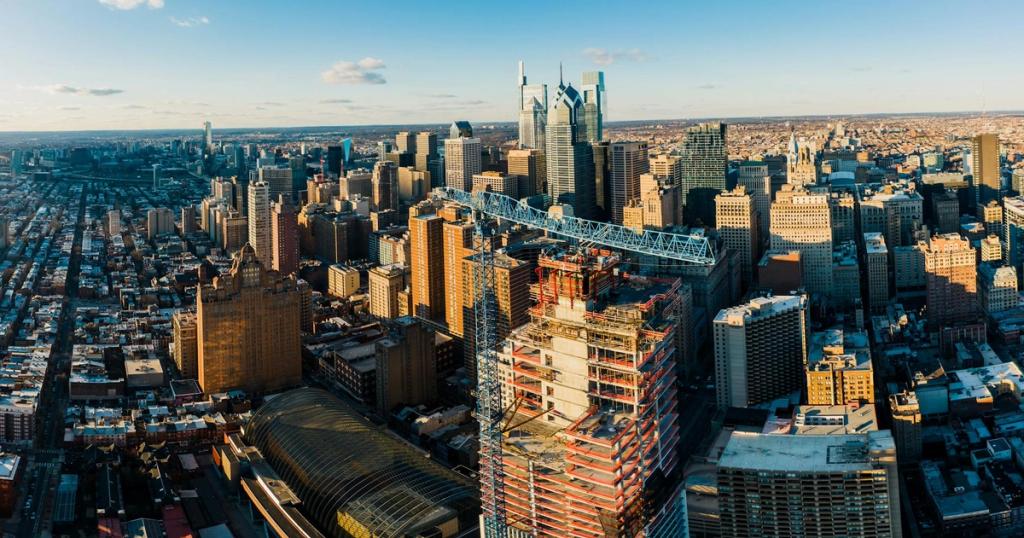
Philadelphia's real estate market continues to outperform national averages in 2025, ranking among America's top five hottest markets. With a perfect storm of limited inventory, population growth, and strategic affordability, the City of Brotherly Love presents compelling opportunities for savvy real estate investors willing to navigate a competitive landscape.
The market's remarkable resilience stems from fundamental economic drivers including robust job growth, an influx of young professionals, and housing costs that remain attractive compared to other East Coast metropolitan areas. However, success in this environment requires understanding specific neighborhood dynamics and timing entry points strategically.
Current Market Performance and Projections
Philadelphia's housing market demonstrates consistent upward momentum with measured growth expectations for 2025. Home prices are projected to appreciate between 2.5% and 4.5%, with median sale prices reaching approximately $256,250 to $261,250 by early 2026.
Alternative market analyses suggest average home prices could approach $290,000 in 2025, representing continued annual increases that have characterized the market since the pandemic recovery. This growth rate, while substantial, remains below historic peaks and indicates a maturing market finding its equilibrium.
Properties currently spend an average of 16 days on market, reflecting strong buyer demand and limited inventory availability. This rapid turnover rate particularly benefits investors who can move quickly on identified opportunities.
Market Statistics Overview
Metric20242025 ProjectedYear-over-Year ChangeMedian Sale Price$275,000$256,250-$261,2502.5%-4.5%Average Home Price$275,000$290,0005.5%Average Monthly Rent$2,100$2,2507.1%Inventory vs Pre-2020-51%-46%5.5% improvementDays on Market16StableMinimal change

Inventory Dynamics and Market Conditions
The Philadelphia market operates in a persistent seller's market environment, with housing inventory remaining 46% below pre-pandemic levels despite modest improvements over the past year. This scarcity creates competitive conditions particularly pronounced in entry-level and mid-tier price segments.
Limited new construction continues constraining supply, while demand from relocating professionals and first-time homebuyers maintains upward pressure on prices. The inventory shortage particularly affects affordable housing segments, creating opportunities for investors willing to acquire and improve properties in emerging neighborhoods.
Market fundamentals indicate this supply-demand imbalance will persist through 2025, supporting continued price appreciation and rental demand across most Philadelphia submarkets.
Neighborhood Investment Opportunities
Strategic neighborhood selection remains critical for maximizing investment returns in Philadelphia's evolving market. Three areas demonstrate exceptional potential for appreciation and rental income generation:
West Philadelphia continues attracting young professionals and families seeking affordable alternatives to Center City living. Proximity to University City's job centers and ongoing infrastructure improvements support long-term value appreciation.
Port Richmond benefits from waterfront redevelopment initiatives and improved transit connectivity. The neighborhood's industrial character is evolving toward mixed-use development, creating opportunities for value-add investments.
South Kensington represents perhaps the strongest emerging market opportunity, with creative professionals and entrepreneurs driving demand for converted industrial spaces and renovated rowhouses.
These neighborhoods share common characteristics including transit accessibility, proximity to employment centers, and active community development initiatives that support sustained appreciation potential.
Rental Market Performance
Philadelphia's rental market demonstrates exceptional strength with average monthly rents projected to reach $2,250 in 2025, representing a 7.1% increase from current levels. This growth significantly outpaces general inflation and reflects fundamental supply-demand imbalances affecting both ownership and rental markets.
Rising homeownership costs, including elevated mortgage rates and limited inventory, continue pushing potential buyers into rental markets. This dynamic particularly benefits multifamily property investors who can capitalize on strong rental demand while building equity through property appreciation.
Rental properties in transit-accessible neighborhoods command premium rents, while emerging areas offer opportunities to acquire properties at lower basis costs with strong rental yield potential as neighborhoods mature.
Strategic Investment Considerations
Successful Philadelphia real estate investment in 2025 requires understanding market timing and asset selection strategies. The current environment favors investors who can move quickly on opportunities while maintaining disciplined underwriting standards.
Multifamily properties offer particular advantages in the current market, providing diversified rental income streams and resilience against economic volatility. Properties requiring light renovation in emerging neighborhoods present optimal risk-adjusted return potential.
Investors should prioritize properties with proximity to transit, universities, and employment centers, as these locations demonstrate consistent demand across market cycles. Understanding local zoning regulations and development rights can unlock additional value through strategic repositioning or expansion opportunities.
Market Challenges and Risks
Despite overall positive market conditions, Philadelphia real estate investors must navigate several challenges in 2025. Rising construction costs and limited skilled labor availability constrain new supply while increasing renovation expenses for value-add strategies.
Property tax assessments in rapidly appreciating neighborhoods may increase carrying costs, affecting investment returns particularly for buy-and-hold strategies. Additionally, mortgage rate volatility continues impacting buyer purchasing power and investment financing costs.
Neighborhood selection requires careful due diligence, as gentrification patterns can create both opportunities and regulatory challenges. Understanding local development plans and community dynamics helps investors align strategies with long-term market evolution.
Take Action on Philadelphia Investment Opportunities
Philadelphia's real estate market presents time-sensitive opportunities for investors ready to capitalize on favorable market conditions. Current inventory constraints and rental demand strength create optimal conditions for strategic acquisitions, but window timing remains critical as market dynamics continue evolving.
Consider exploring financing options that align with your investment timeline and risk tolerance while maintaining flexibility for market changes.
Explore DSCR Loan Options for Your Philadelphia Investment →