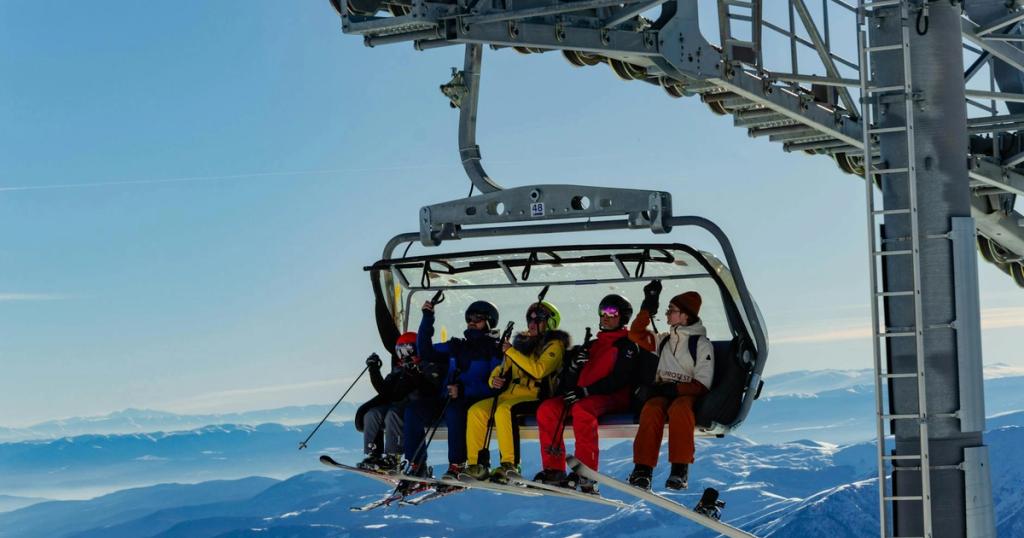
Investing in mountain properties can be a rewarding venture, but maximizing your ROI means understanding the key seasonal trends. Both ski season and summer bring unique advantages and challenges. Whether you’re a seasoned investor or just entering the market, this guide explores how to tailor your rental strategy for optimal returns across both seasons
Ski Season Rentals: The Cold Weather Goldmine
Why Winter Wins in the Mountains
Ski season (typically November to April) is peak rental time in most mountain towns like Aspen, Lake Tahoe, or Park City. During these months, properties can fetch 30–50% higher nightly rates thanks to high tourist demand.
Key advantages:
- Premium nightly rates
- High occupancy rates
- Reliable demand from ski tourists and holiday travelers
- Increased opportunity for concierge services or luxury add-ons
Considerations for Ski Season
- Maintenance challenges: Snow removal, frozen pipes, and heating systems add to operational costs.
- Higher competition: You may need to invest more in decor, amenities, and advertising to stand out.

Pro Tip: Make sure your listing emphasizes proximity to ski lifts, fireplace amenities, and ski storage options.
Summer Rentals: Off-Season or Secret Opportunity?
Surprising Summer Appeal
Don’t underestimate summer. As temperatures rise, many city-dwellers head to the mountains for hiking, biking, and cooler weather escapes. Locations like Breckenridge and Jackson Hole are seeing a 25–40% annual increase in summer visitor numbers.
Advantages:
- Lower maintenance: No snow-related issues.
- Longer stays: Families book week-long+ getaways.
- Event-driven bookings: Weddings, festivals, and retreats fill up calendars.
Challenges in Summer
- Lower nightly rates: Rates can drop 20–30% compared to ski season.
- Marketing needs to shift: Focus on hiking, lakes, and summer activities.
Pro Tip: Include photos of summer foliage, hiking trails, or lake access in your listing.
Ski Season vs Summer: ROI Comparison
FeatureSki Season RentalsSummer RentalsAverage Nightly RateHigh ($300–$1,200/night)Moderate ($150–$600/night)Occupancy Rate70–90%60–80%Maintenance CostHighLowGuest Stay Duration3–5 nights5–10 nightsRisk of VacancyLowModerate
Takeaway: Ski season delivers higher returns per booking, but summer provides steadier, longer-term stays with reduced maintenance. Ideally, your strategy should accommodate both.
Optimizing for Year-Round Rental Success
To build a sustainable business model, align your property to function seamlessly across both seasons.
1. Invest in Dual-Season Amenities
- Winter: Heated entryways, ski racks, hot tubs
- Summer: Outdoor decks, grills, gear storage for bikes or paddleboards
2. Dynamic Pricing
Leverage tools like PriceLabs or Wheelhouse to adjust rates based on demand, weather, and events.
3. Calendar Management
Sync with local event calendars for both ski and summer seasons. Offer early-bird booking discounts.
4. Interior Design for All Seasons
Neutral decor with flexible accents—flannel throws in winter, bright cushions in summer.
FAQs
Read Next
- DSCR Loan Calculator: Instantly Know If Your Property Qualifies
- 7 Proven Ways to Finance an Investment Property in 2025
By strategically optimizing your property for both ski and summer seasons, you can turn your mountain investment into a high-performing, year-round income source. Whether you focus on maximizing your winter ROI or tapping into the growing summer crowd, the key is flexibility, smart planning, and consistent guest experience.